From Trash to Treasure: Discover the Concealed Value in Electronics Recycling
Electronics recycling is an important process that converts abandoned devices into valuable resources. It tackles the growing problem of e-waste while recovering precious materials. This practice not only protects the environment but also strengthens local economies. As communities seek sustainable solutions, the concealed value in old electronics becomes increasingly apparent. What exists beneath the surface of these discarded items, and how can they be transformed into opportunities for a superior future?
The Environmental Burden of E-Waste
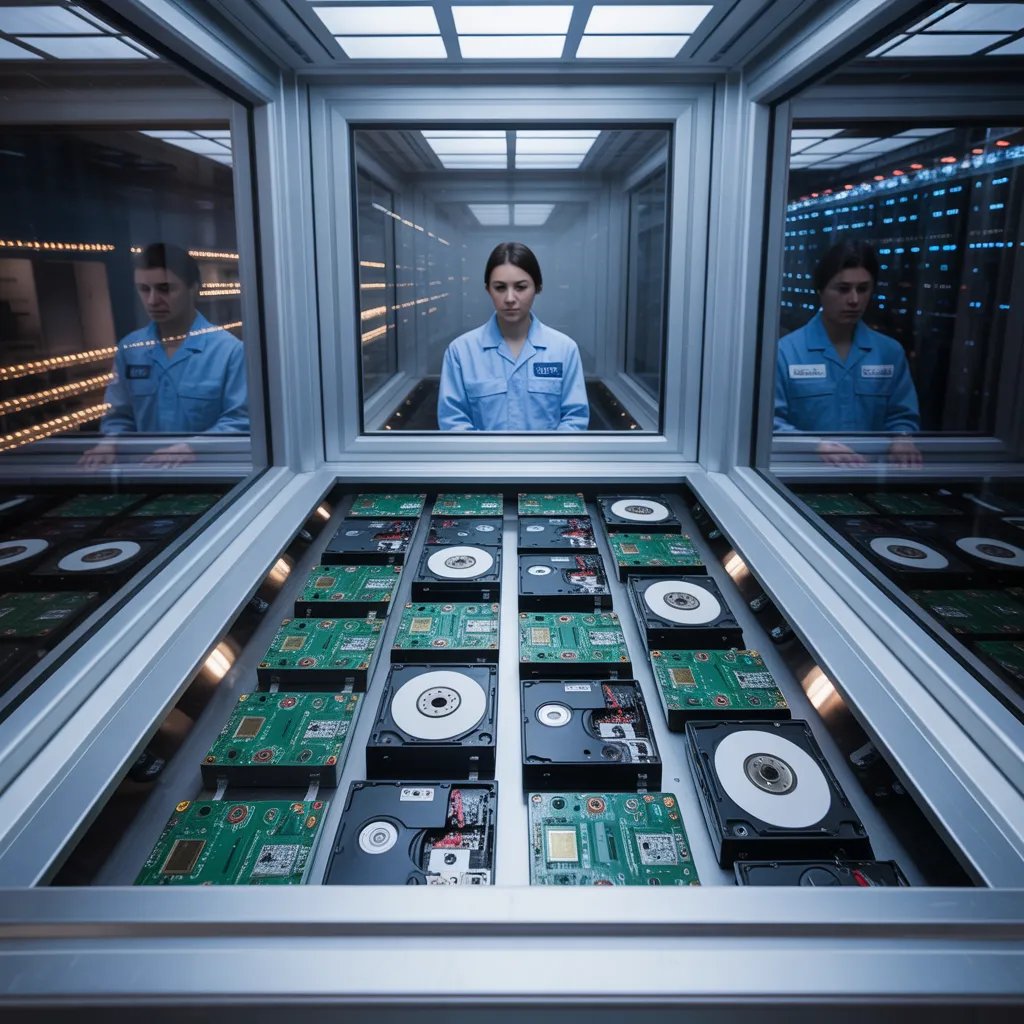
As e-waste continues to accumulate globally, its environmental impact becomes increasingly pronounced. Abandoned electronic devices often contain dangerous substances like lead, mercury, and cadmium, which can leach into soil and water systems, posing major threats to ecosystems and human health. The incorrect handling of electronic waste leads to pollution, impacting air quality and polluting local water supplies. Furthermore, the incineration of electronic waste emits toxic emissions, worsening ecological decline.
Landfills filled to capacity with e-waste generate long-term environmental challenges, as these materials can take hundreds of years to decompose. The rising volume of e-waste not only threatens biodiversity but also strains natural resources as more mining is required for new materials. Responsible recycling practices can reduce these effects, allowing for safer disposal and resource recovery. As awareness of these impacts grows, the need for proper electronic waste handling becomes essential for a sustainable future.
What Important Substances Are Located in Your Aged Electronics?
Antique electronics hold a treasure trove of valuable materials, often disregarded by purchasers. Products such as smartphones, laptops, and televisions contain precious metals like gold, silver, and palladium, which are crucial for circuit boards and connectors. Moreover, copper wiring, embedded in many devices, offers significant recycling value due to its electrical conductivity and demand in various industries.
Rare earth elements, comprising neodymium and dysprosium, are vital for forceful magnetic devices in speakers and hard drives, impacting their considerable market value. Additionally, batteries in electronic devices often hold lithium, cobalt, and nickel—materials important for storing energy and electric vehicle production.
The Method of Electronics Waste Recovery
Electronics recycling requires a methodical method to managing discarded equipment. The process commences with the collection and transportation of old electronics, followed by disassembly and sorting to separate parts. Eventually, precious resources are extracted for reuse, adding to resource conservation and ecological protection.
Gathering and Transportation Procedure
The collection and transportation procedure of electronics recycling begins with public involvement and educational initiatives that promote consumers to properly dispose of their old equipment. Local governments, non-profits, and recycling organizations often collaborate to establish gathering sites, such as designated drop-off locations or scheduled collection events. These programs seek to provide easy and handy recycling options for the public.
Once sourced, the electronics are reliably delivered to specialized recycling facilities, establishing that they are handled safely to reduce environmental impact. Strategic transportation are essential, as they help maximize the flow of materials while reducing carbon footprints. Adequate records accompanies the transported items to trace their route, upholding accountability throughout the recycling process.
Disassembling and Sorting Methods
Upon arrival at recycling facilities, collected devices undergo a meticulous dismantling process. Skilled technicians diligently disassemble electronics, separating components such as circuit boards, batteries, and plastics. This process often involves the use of specialized tools to guarantee safety and efficiency. Each component is reviewed and sorted based on material type and potential for reuse or recycling.
Manual dismantling is supported by mechanical systems, which facilitates in arranging larger amounts of devices. As the components are categorized, toxic substances, such as lead or mercury, are separated for safe disposal. This systematic method ensures that valuable materials are preserved while reducing environmental hazards, establishing the foundation for the next stage of the recycling process.
Recovery of Precious Materials
Recovering valuable materials from dismantled electronics involves a series of precise processes created to optimize material recovery. After sorting, components are exposed to mechanical and chemical treatments that divide metals, plastics, and glass. Methods like shredding and granulation decompose materials into reduced fragments, enabling the removal of valuable metals like gold, silver, and copper. Sophisticated techniques, including hydrometallurgy and pyrometallurgy, are employed to extract these metals from their ores. Additionally, rare earth elements, vital to modern technology, are also extracted. By optimizing these extraction methods, waste management centers can greatly reduce waste and provide essential resources back into the manufacturing cycle. This not only preserves environmental materials but also promotes a green economic model.
How Reusing Electronic Waste Supports Your Local Neighborhood
Handling electronic waste yields significant advantages for local communities. It can strengthen financial development by fostering new business opportunities and promoting job creation in the recycling sector. Additionally, superior environmental health occurs through limiting e-waste, benefiting both residents and local ecosystems.
Economic Advancement Options
Transforming electronic waste into precious materials enables significant economic growth for local communities. Through forming resource recovery programs, groups can establish career opportunities in collection, processing, and sales of salvaged items. These undertakings not only diminish rates of joblessness but also encourage learning and capability growth in the workforce. Community firms can succeed as they exploit the demand for recycled materials, which are increasingly sought after in production domains. In addition, as communities pursue electronics recycling, they can secure venture capital from green technology firms, enhancing sectoral diversity. The increased activity in recycling initiatives can energize area economies, inspiring inhabitants to participate actively, thereby establishing a culture of sustainability while catalyzing development and creative solutions.
Environmental Health Elevation
Electronics reuse plays a crucial role in enhancing environmental health within local communities. Proper disposal of electronic waste prevents dangerous toxins like lead, mercury, and cadmium from contaminating soil and water sources. This lowers the risk of toxic exposure to residents, thereby promoting overall community well-being. Furthermore, recycling programs can help reduce landfill overflow, conserving necessary land and lowering greenhouse gas emissions linked to waste decomposition. Effective recycling efforts foster community engagement, raising awareness of environmental problems and supporting sustainable practices. As communities implement these programs, they benefit from cleaner surroundings and improved public health, ultimately creating a more thriving environment. The aggregate effects of these actions significantly contribute to the long-term sustainability and resilience of local ecosystems.
Position Production Promise
Tapping into the benefits of electronics recycling has the power to significantly enhance local economies by creating job opportunities across diverse sectors. As communities get involved in recycling programs, various job roles arise, including collection, transportation, sorting, and processing of electronic waste. Local businesses experience benefits as the demand for recycling services grows, encouraging entrepreneurship and innovation. Furthermore, specialized training programs help arm workers with valuable skills, increasing employability in a burgeoning green economy. Additionally, setting up recycling facilities can result in permanent jobs, aiding long-term employment stability. By investing in electronics recycling, communities not only minimize waste but also encourage economic growth, ultimately improving the overall quality of life for residents while promoting sustainability.
Where Might You Uncover Conscientious Recycling Programs?
How can consumers and enterprises confirm their old electronics are processed ethically? One successful method is to seek accredited e-waste recycling programs. Groups such as the e-Stewards and R2 (Responsible Recycling) credential guarantee that recyclers stick to rigorous environmental and ethical requirements. Many municipalities also present designated delivery locations for electronic waste, often delivering complimentary or affordable recycling services.
Additionally, major retailers like Best Buy and Staples have implemented take-back programs, allowing consumers to return unwanted electronics safely. Nonprofit organizations and local charities may also accept functional devices, promoting reuse rather than recycling.
In conclusion, online platforms can connect learn about this users with responsible recyclers, ensuring correct disposal. By employing these solutions, both persons and businesses can further a environmentally conscious future while limiting the environmental impact of discarded electronics.
Innovative Methods to Breathe New Life into Your Used Electronics
Repurposing old electronics presents a novel way to reduce environmental burden while revitalizing unused devices. A lot of people have uncovered creative uses for older gadgets. For example, old smartphones can be repurposed into standalone music players or home monitoring systems, offering features without the need for new purchases. In the same way, outdated laptops can work as media hubs or electronic photo frames, presenting cherished memories.
Another technique includes using components from damaged electronics. Circuit boards can be turned into unique wall art, while old speakers can be transformed into stylish Bluetooth speakers. Additionally, LED screens from defunct monitors can be utilized as backlit displays for custom projects.
These creative approaches not only minimize ecological footprint but also cultivate a feeling of pride. By embracing unconventional thinking, people can locate practical purposes for their outdated electronics, repurposing old gadgets into valuable assets.
Frequently Asked Questions
May I process Electronics That Are broken or Non-Functional?
Yes, broken or defective electronics can often be recycled. Numerous facilities receive these items, guaranteeing that valuable materials are retrieved and dangerous materials are safely disposed of, encouraging environmental responsibility and sustainable resource management.
Where Does My Data Go During the Reclamation Operation?
Throughout the recycling process, data is typically disposed of through processes like shredding or electromagnetic erasure. Recyclers pledge that restricted data is completely unrecoverable, protecting individuals from potential identity theft or data breaches linked to discarded electronics.
What Costs Are Tied To Recycling Electronics?
Yes, there can be expenses connected to recycling electronics, based on the facility and the type of device. Some organizations may impose fees for certain items, while others provide no-cost reclamation services to encourage conscientious disposal.
What Steps Should I Take to Safely Prepare My Gadgets for Disposal?
To safely prepare electronics for recycling, one should strip personal data, remove all cables, and seal devices securely. Additionally, consulting regional recycling services for clear preparation guidelines is prudent to assure responsible treatment.
Which Accreditations Need to I Seek out in Recycling Programs?
When assessing recycling programs, one should seek out credentials such as R2, e-Stewards, and ISO 14001. These ensure compliance with environmental standards, proper management, and secure treatment of electronic waste for sustainability and safety.
Comments on “Electronics Recycling Insights to Electronics Recycling Houston”